
Phone scams
Calls impersonating government officials, telecom operators, financial institutions, utility services, and other organizations.
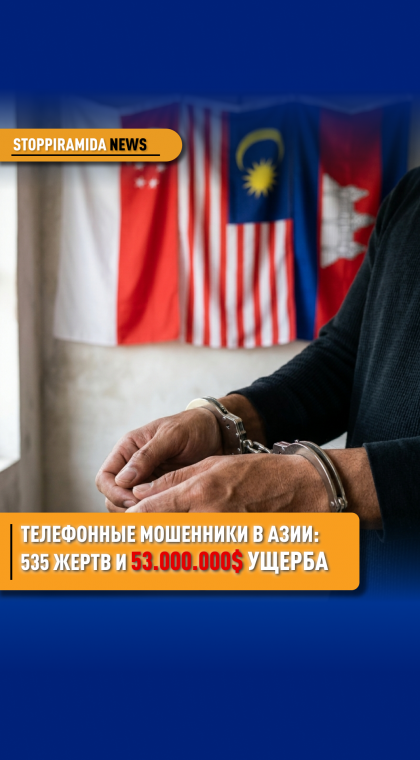
A 32-year-old Singaporean citizen was arrested in Malaysia as part of an investigation into an organised criminal group. According to police, the group allegedly impersonated government officials and persuaded victims to transfer money to so-called “safe accounts.” The investigation is ongoing, and some suspects remain wanted.
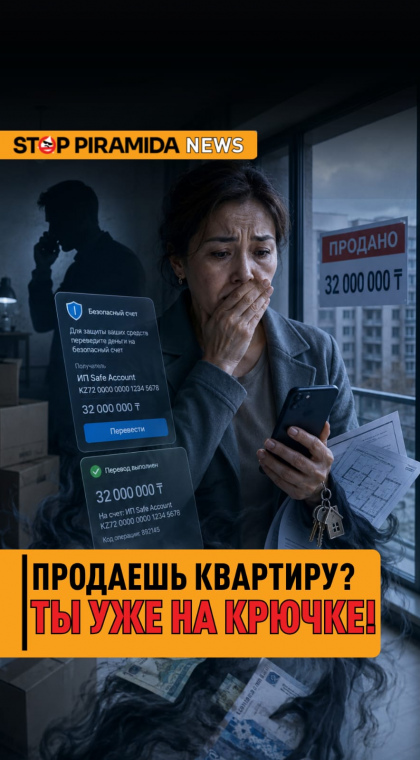
This video examines a fraud scheme that can target people after they have listed property for sale or completed a transaction. Yuriy Lee explains how scammers obtain information about sellers, use it for telephone fraud and attempt to draw victims into further fraudulent schemes. The video also highlights key warning signs, explains why unexpected calls should be treated with caution and provides practical tips on how to protect yourself from such scams.
A man in Singapore lost US$4.9 million after being deceived by scammers who used deepfake videos and impersonated government officials.
Be cautious: videos, voices, and even “official” letters are no longer reliable proof of authenticity. Always verify information directly through official channels.

Scammers may no longer be able to reach you.
We show you how to strengthen your WhatsApp security in just a few simple steps.
Save this post and share it with your loved ones so they can stay safe too.


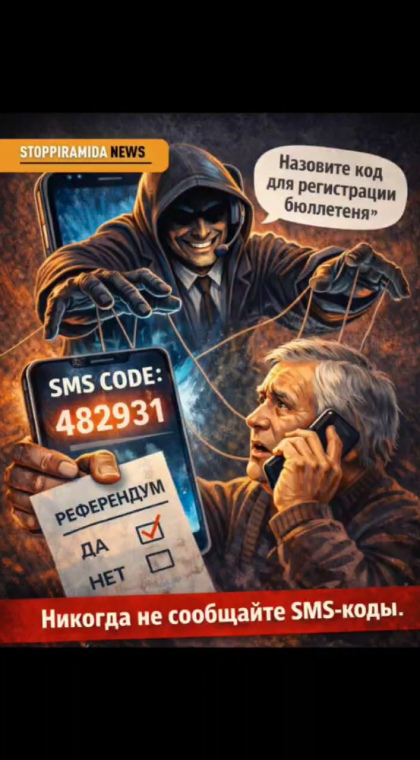
A new scam is spreading online: fraudsters call citizens, pretend to be election organizers, and ask them to disclose an SMS code supposedly needed to "register a ballot."
This is a scam.
No official voting procedure requires you to share SMS verification codes by phone or through messaging apps.
Never disclose confirmation codes, end the conversation immediately, and verify information only through official sources.
Scammers pose as medical workers and offer a free health screening. Under the pretext of making an appointment, they trick victims into revealing a verification code.
The victim is then drawn into a multi-stage scam. A caller claiming to be from eGov security reports that fraudulent loans have allegedly been issued, after which fake government officials begin threatening the person with criminal charges and demand strict compliance with their instructions.
_420x760_78c.jpg)
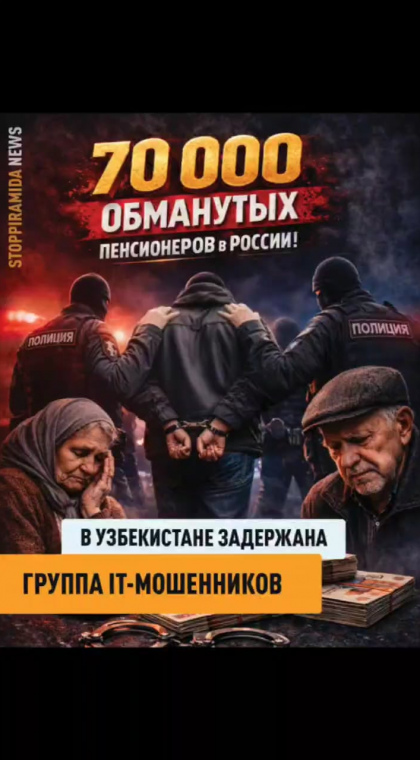
In Uzbekistan, authorities detained a group of IT fraudsters who allegedly deceived more than 70,000 pensioners.
The scammers extorted money under the pretext of compensation for supposedly ineffective medicines, causing losses amounting to millions of Russian rubles.
Police in the Zhetisu Region, together with prosecutors, dismantled a group involved in internet fraud.
According to investigators, the operation was organized by a 23-year-old resident of Almaty who created an underground call center.
The scammers targeted victims through social media and Telegram, while money mules were used to transfer and cash out the stolen funds.
A total of 57 people were affected. Some victims lost more than 1 million tenge, and the total damage exceeded 63 million tenge.

A Chinese court has sentenced the organizers of a network of scam call centers and illegal online gambling operations to death.
The case involves dozens of compounds, severe violence within these centers, and thousands of lives destroyed by this criminal industry.
According to United Nations estimates, hundreds of thousands of people in Southeast Asia have been forced to work in similar schemes.
The total damage caused by these operations has exceeded 4 billion U.S. dollars.